Printing the American Revolution
February 21 - September 5
Two hundred and fifty years ago, the thirteen British colonies united in revolution. They declared their independence in July 1776 as the United States of America. Yet, this moment was deeply contested. In the years leading up to nationhood, colonists protested taxation, asserted their right to representation, and questioned their place within the British empire. Then, in the new nation, citizens experimented with new forms of government, elected representatives who embodied their ideals, and conducted diplomacy across the world. Disagreements ensued, yet compromise prevailed.
This exhibit explores the crucial role of print culture in the contest over the meaning and memory of the American Revolution. It showcases the research of students enrolled in Dr. Mary Draper’s Fall 2025 Revolutionary America class, highlighting the collections of the Wichita Falls Museum of Art and MSU Texas Moffett Library’s Special Collections. The items in this room—from famous engravings to daily newspapers—were places where colonists and, later, citizens debated what it meant to be American. As we celebrate the 250th anniversary of the Declaration of Independence this year, their ideas about representation, democracy, and freedom remain just as relevant.
Teaching Gallery
 Dr. Mary Draper, co-curator of the exhibition and associate
Professor of History at Midwestern State University
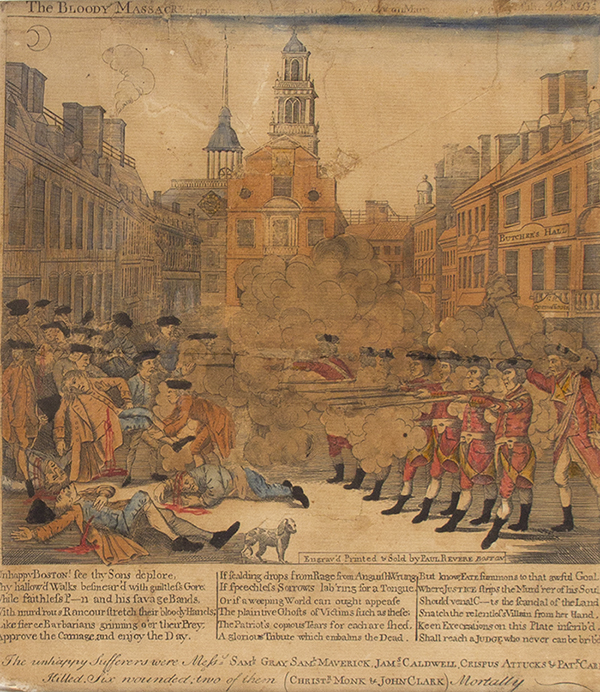
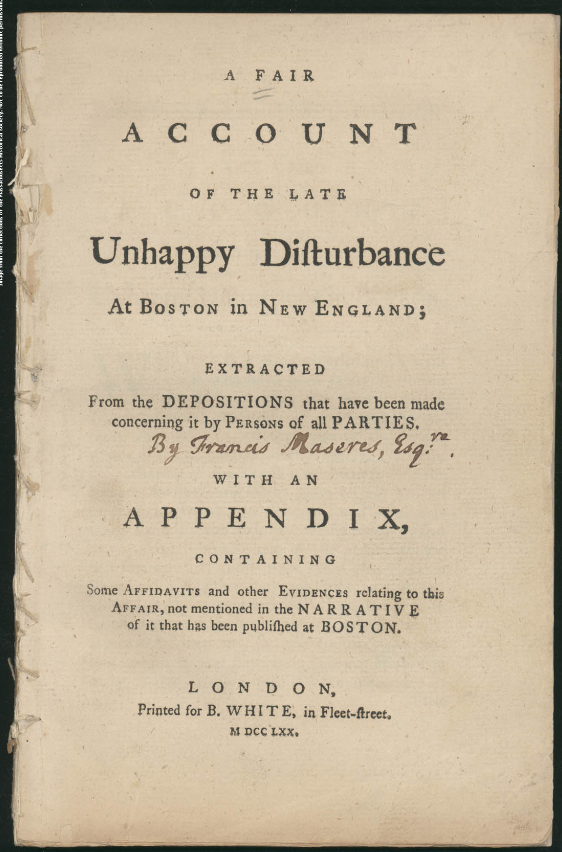
From the moment the smoke cleared, residents and redcoats disputed the details of the Boston Massacre. Explore the multiple perspectives of the Boston Massacre with Dr. Mary Draper.
 MSU Student Object Labels
As we celebrate the 250th anniversary of the Declaration of Independence, explore how print culture was crucial to the American Revolution. Prints, books, and newspapers shaped colonists' reactions to British rule, informed Americans of major developments during the war, and commemorated beloved leaders after the United States gained its independence. Read about these important works thanks to students' research in Dr. Draper's Revolutionary America class.
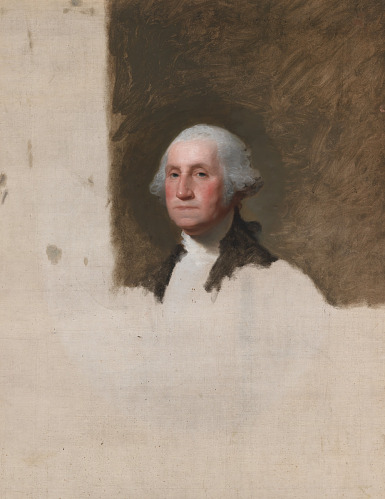
Revolutionary Portraiture
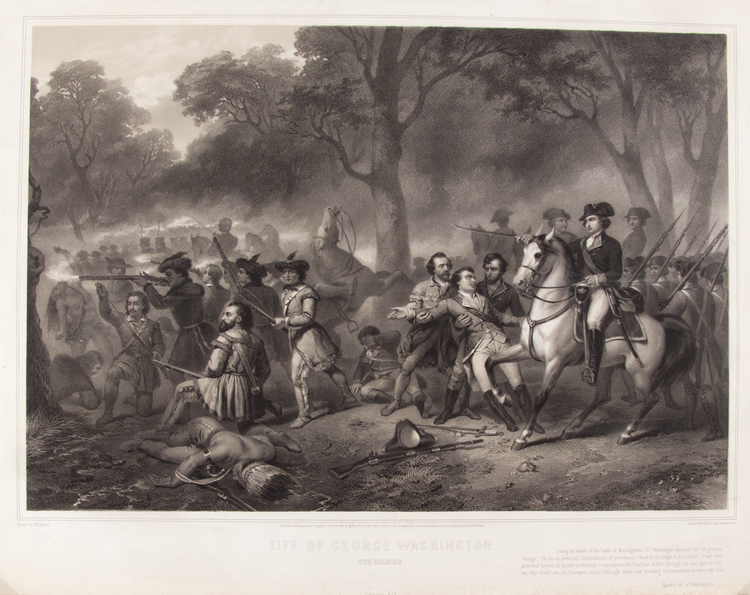
Portraits of the Founding Fathers were in high demand in the new nation. Commemorating their leadership and elevating them to national heroes, their portraits also shaped collective myths and memories of these patriots.
Images
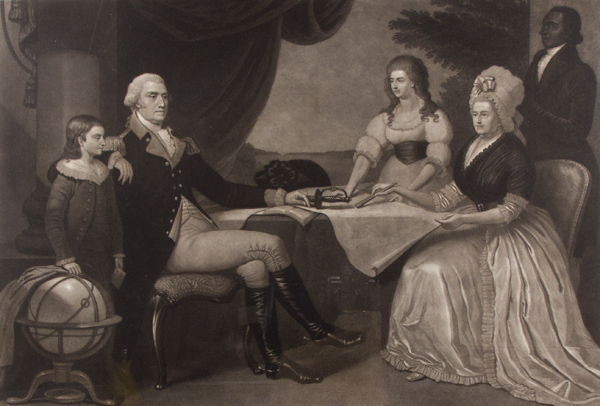
Edward Savage, Washington Family, 1798, engraving; Museum purchase, 1981.
Paul Revere, Bloody Massacre Perpetuated in King Street, Boston on March 5, 1770, 1770, Engraving; Gift of Minnie Rhea Wood, 1979.